The Best Roof for the Bahamas
A straight answer, then the full comparison — and the one thing that matters more than which covering you pick.
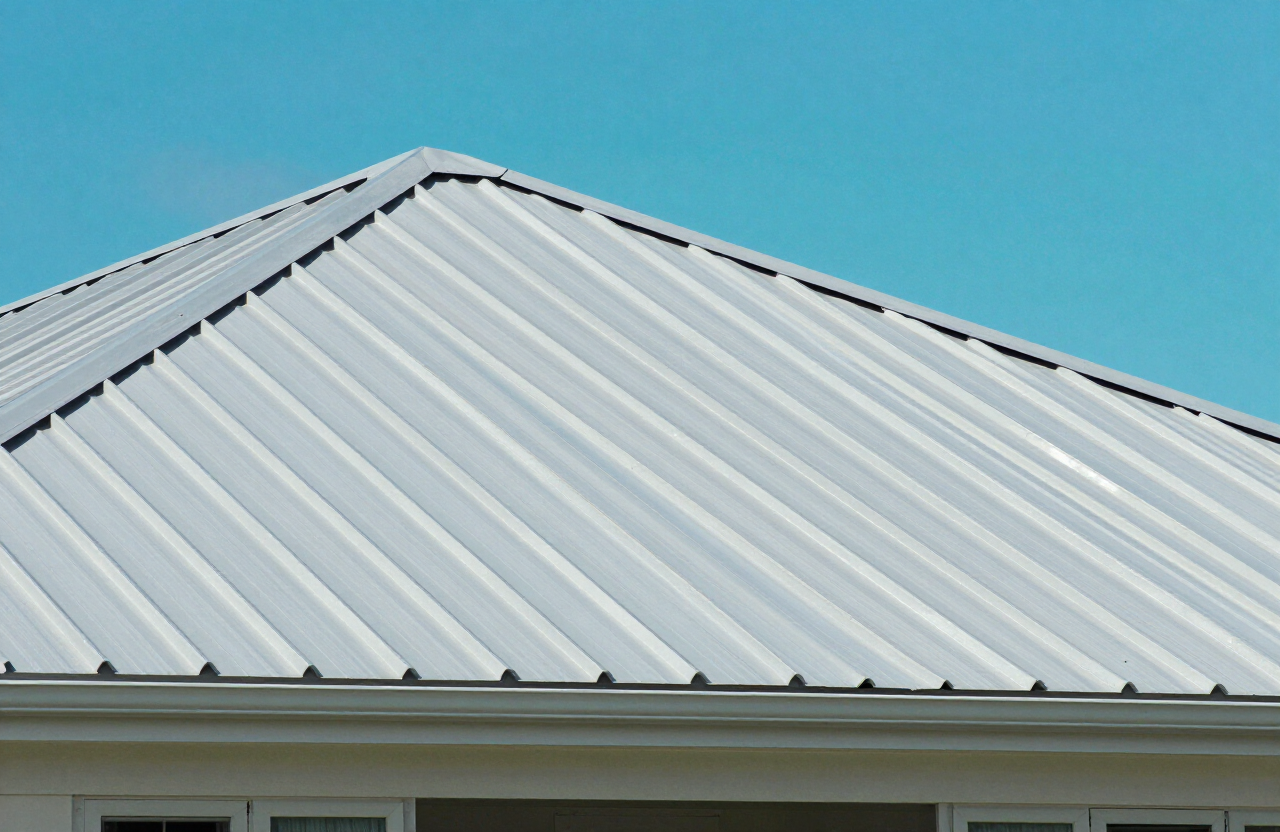
For most Bahamian homes the choice comes down to concrete tile for mass and longevity, or standing-seam metal for wind performance. Properly strapped, both survive storms; poorly fastened, neither does.
The four roofs you’ll actually choose between
New Providence homes run on four coverings. Each has a real place — the right one depends on your house, your budget, and how long you plan to keep it. Here is how they compare on the things that matter in our climate.
| Concrete / clay tile | Asphalt shingle | Standing-seam metal | Flat membrane | |
|---|---|---|---|---|
| Wind performance | High (fastened) | Lower — edges lift | High — few edges | Good if well-sealed |
| Salt-air durability | Excellent | Fair | Excellent (coated) | Good |
| Lifespan | 40–50+ yrs | 15–20 yrs | 40–60 yrs | 15–25 yrs |
| Relative cost | High | Low | High | Medium |
| Maintenance | Low, tile matching | Moderate | Low | Regular, drainage |
Concrete & clay tile
The traditional Bahamian roof, and still one of the best. Mass and a long life, excellent against salt and sun. Common on older homes, and when tiles crack we can usually match and repair rather than replace whole sections. Must be mechanically fastened, not just laid, to resist uplift.
Standing-seam metal
The strongest wind performer — continuous panels with hidden fasteners and few edges for wind to grab. Long life and low maintenance when coastal-coated. A premium option and increasingly the choice for exposed, oceanfront homes.
Asphalt shingle
The budget option. Fine for short-term needs, but the shortest life in our UV and salt, and the most vulnerable to wind at the edges. Many owners upgrade when it’s time to replace.
Flat / membrane
Common on additions and small-commercial buildings. Performs well when drainage is right, but ponding is its enemy — it needs regular attention to seams and drains.
Fastening matters more than the material
Here is what most roofing ads won’t tell you: the covering is not what saves your roof in a Category 4 — the fastening is. A cheap roof screwed down to code, with hurricane straps forming a continuous load path from roof to walls to foundation, will outlast an expensive roof laid carelessly over corroded straps. The weakest fastener fails first, and once one lets go the wind unzips the rest. When we quote a new roof or a replacement, the connection underneath gets as much attention as the covering on top.
Comparing budgets? See roof repair and replacement costs in the Bahamas, or if your current roof just needs help, start with roof leak repair.
Best roof questions
What is the best roof for the Bahamas?
For most Bahamian homes it comes down to concrete tile for mass and longevity or standing-seam metal for wind performance. Properly strapped and fastened, both survive storms; poorly fastened, neither does. Fastening matters more than the material you choose.
Is metal or tile better for hurricanes?
Both perform well when installed to Bahamas Building Code. Standing-seam metal sheds wind and has few edges to lift; concrete tile uses mass and, when each tile is mechanically fastened, resists uplift too. The deciding factor is the fastening and the continuous load path underneath, not the covering itself.
Are asphalt shingles a good choice in the Bahamas?
Shingles are the cheapest option and fine for budget or short-term needs, but they have the shortest life in our sun and salt and are the most vulnerable to wind uplift at the edges. Many homeowners upgrade to metal or tile when it comes time to replace.
Not sure which roof is right for your home?
Book a free roof assessment and we’ll talk it through — covering and fastening both.