Roof Replacement in Nassau, Bahamas
When repair stops making sense, a replacement done to code is the roof that survives the next Category 4. Here is how we decide, and what a proper job includes.
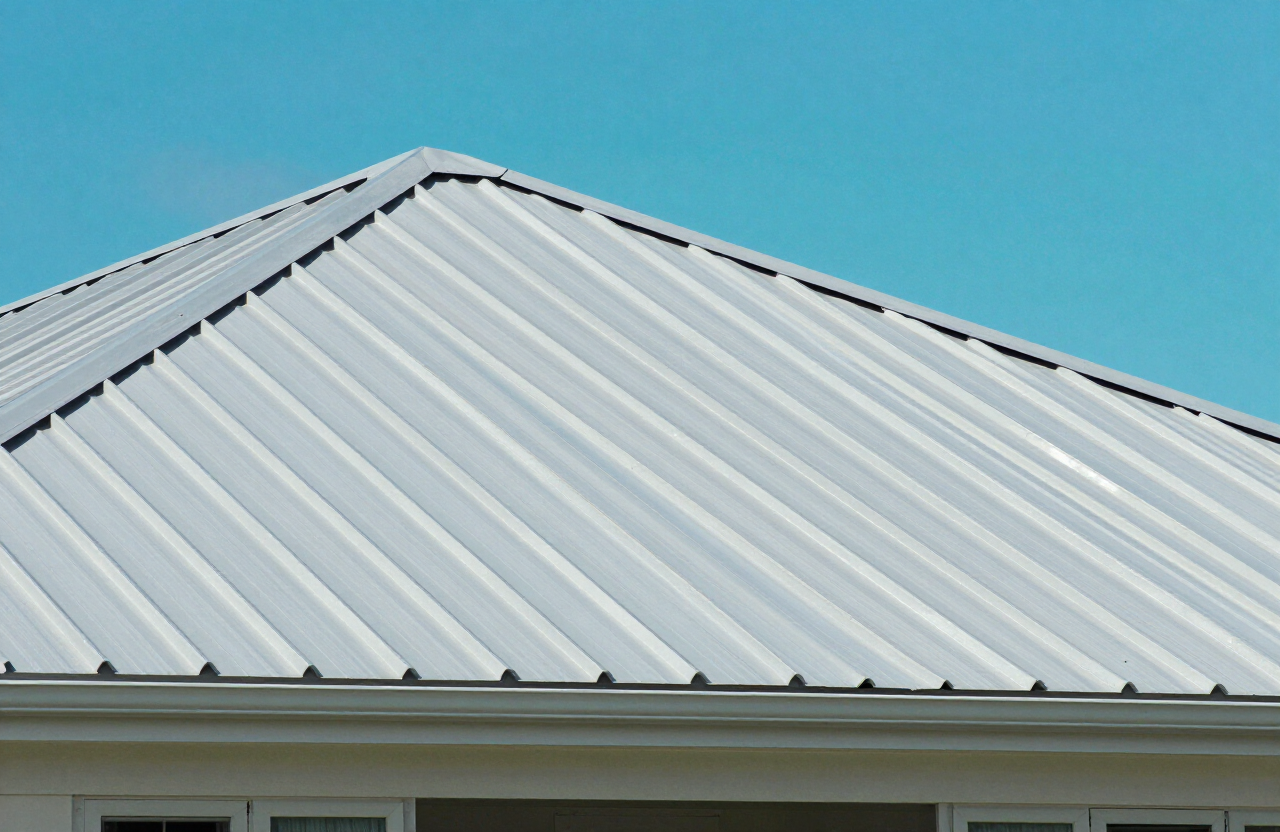
Replacing a roof is a big decision, and most roofs don’t need it. But there is a point where patching a failing roof costs more over five years than replacing it once. Our job is to tell you honestly which side of that line your roof is on — not to sell you the bigger job.
When repair stops making sense
Three things push a roof from “repair” to “replace”:
- Age. Every roof covering has a service life. A shingle roof past 20 years or a tile roof with widespread cracking is spending your money on repeat repairs.
- Extent of damage. A few cracked tiles is a repair. Damage across a large share of the roof — or multiple leaks in different areas — usually means the covering has reached the end of its life.
- State of the strapping underneath. This is the one homeowners can’t see. If the hurricane straps and connections holding the roof structure to the walls have corroded, no amount of surface repair makes the roof safe in a storm. That is a replacement conversation.
What a replacement includes
A proper replacement is far more than a new covering laid over old problems:
- Tear-off. We strip the old covering down to the deck so nothing is hidden.
- Decking check. With the roof open we inspect the plywood or boards for rot and water damage, and replace what has failed.
- Hurricane straps corrected to code. We bring the strapping and connections up to the Bahamas Building Code wind-uplift spec — a continuous load path from roof to foundation. This is what actually decides whether a roof survives a hurricane.
- Underlayment. A coastal-rated underlayment as a secondary water barrier under the covering.
- New covering. Tile, shingle, metal or membrane, fastened correctly with materials chosen to resist salt and UV.
Honest repair-vs-replace checklist
Use this as a guide — the only way to be sure is an inspection.
| Situation | Usually repair | Usually replace |
|---|---|---|
| Roof age | Well within service life | At or past service life |
| Leak pattern | One isolated leak | Multiple leaks, several areas |
| Tiles / covering | A few cracked or slipped | Widespread cracking or curling |
| Fasteners / strapping | Sound, localized issue | Corroded across the roof |
| Decking | Dry and solid | Rot found once opened up |
| Cost trend | One-off fix | Repeat repairs adding up |
Typical timeline
Most residential replacements on New Providence run a few days to about two weeks, depending on roof size, type, and weather. Metal and tile take longer than shingle; hidden decking damage can add a day or two. We give you a schedule up front and keep you updated with photos — useful if you’re an absentee or second-home owner managing the work from off-island.
Choosing the new covering
A replacement is also the one moment you get to choose the roof itself. The right answer depends on exposure, budget and how long you plan to keep the house: concrete tile brings mass and longevity, standing-seam metal brings the best wind performance, shingle keeps the budget down, and membrane covers flat sections. We compare all four honestly — wind, salt-air durability, lifespan and cost — on our best roof for the Bahamas guide, and we’ll walk you through the same comparison for your specific house before you commit.
Whatever covering you choose, the deciding factor is the same: correct fastening to the wind-uplift spec, coastal-rated fasteners, and the strapping underneath brought up to code. The covering is what you see; the connection is what survives the storm.
Still think a repair might do it? Start with roof leak repair, check what roof work costs in the Bahamas, or see the best roof for the Bahamas before you choose a new covering.
Wondering if it’s time to replace?
We’ll inspect, check the strapping you can’t see, and give you a straight answer.